Monday, 4 May 2026

Adverse Drug Reactions (ADRs): Clinical Identification, Assessment, and Reporting.

Adverse Drug Reaction (ADRs): Clinical Identification, Assessment, and Reporting
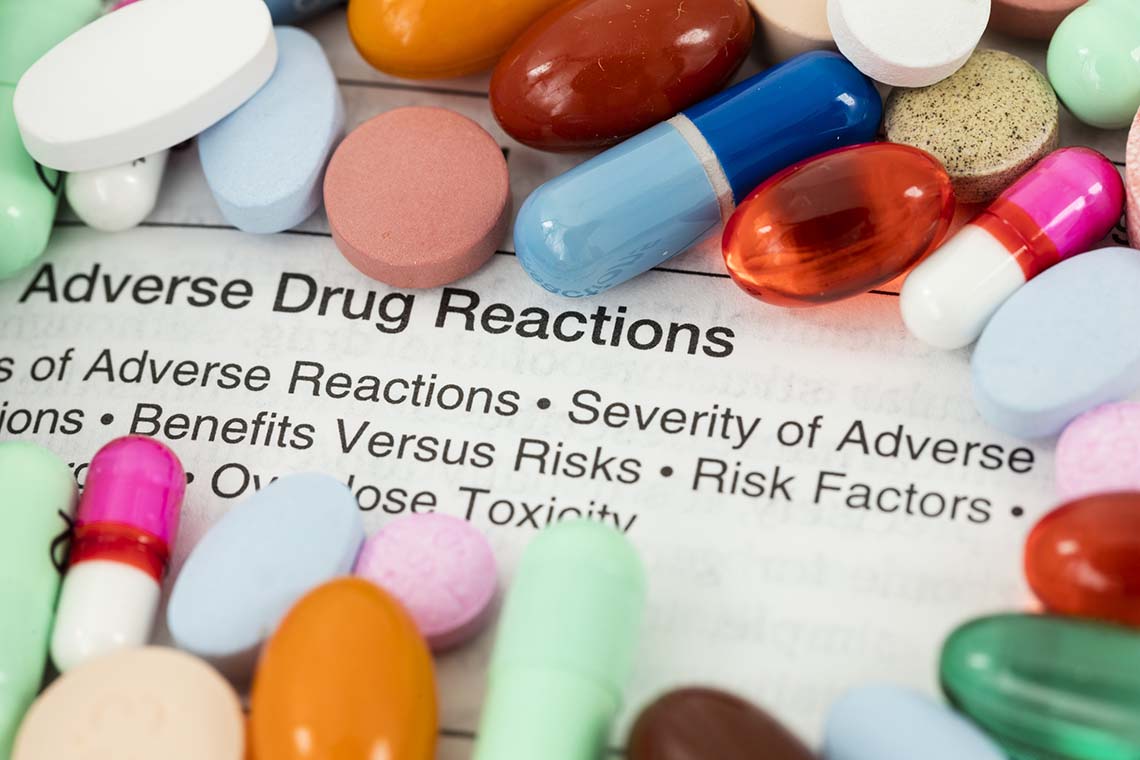


https://ceufast.com/imgs/adverse-drug-reactions.jpg

ABSTRACT 

Adverse drug reactions remain a critical challenge in modern healthcare, contributing to patient morbidity and hospital admissions. A systematic approach involving clinical identification, assessment, and reporting is essential for minimizing risks and improving therapeutic outcomes.

This article provides a structured overview of ADR classification, mechanism, clinical detection, and the role of pharmacovigilance system ensuring the safer and better use of medicine. 


Background and clinical significance

Adverse Drug Reaction are defined by the National Institute of Health as harmful and unintended responses to a drug occurring at normal therapeutic doses. ADRs are recognized as a major global health concern, contributing significantly to morbidity and mortality. 
The growing complexity of pharmacotherapy, polypharmacy, and variability in patient response detection and systematic evaluation of ADRs in clinical settings. 


Studies demonstrate that ADRs are among the leading causes of hospital admissions and prolong hospital stays. impact on the patient health, Treatment costs cause economic burden additional diagnostic procedures, and loss of productivity. 


CLASSIFICATION AND MECHANISM OF ADRs

Adverse drug reactions (ADRs) are broadly classified into Type A (Augmented) and Type B (Bizarre) reactions. Type A reactions are dose-dependent and predictable based on the pharmacological properties of the drug, whereas Type B reactions are unpredictable, not dose-dependent, and often serious in the nature. 


Dose-Related Reaction (Toxic Effects):

These occur due to the increased drug concentration and are typically predictable. They may result from overdose, accumulating, or impaired drug metabolism. 


Side Effects:
Pharmacological effects that occur at therapeutic doses are usually mild and manageable.

Drug-Drug Interactions:

Two or more medications reacts with each other can cause medications to stop working, becomes less effective, or produce harmful side effects. It is critical to consult pharmacists or doctors to manage risks. 


Hypersensitivity Reaction:

Hypersensitivity reaction unknown or inappropriate immune response to antigens, causing tissue damage or dysfunction upon re-exposure. 
Hypersensitivity reactions are unknown immune responses to antigens (allergens) categorized by the Gell and Coombs system into four main types-I-IV. 


Idiosyncratic Reactions:

An Idiosyncratic reaction which is unpredictable, abnormal, and the one of the rare adverse drug reactions not related to dose or known pharmacological effects. often caused by genetic or metabolic differences. 


Example
  • Severe rashes from medication like nevirapine 
  • Severe liver damage (hepatotoxicity) from halothane, or hemolytic anemia from primaquine in patients with G6DP deficiency. 

Detection and Clinical Assessments of ADRs

The identification of ADRs requires careful clinical evaluation, and it ensures patient safety and optimizing therapeutic outcomes. Accurate identification requires a systematic and structured approach to evaluate the observed drug exposure and the observed adverse event.


Detection and clinical assessments:

Temporal Relationship
Assess the time intervals between the drug administration and onset of the reaction. 

Medication History:
Review patient history, all medications prescription drugs, over counter products, and herbal supplements.

Dechallenge (Drug withdrawal):
Observe whether the reaction improves after discontinuation of the suspected drug.

Rechallenge (Re-administration):
Reintroducing the drug (when safe) to confirm recurrence of the reaction.

Exclusion of Alternative Causes:
Rule out the possible causes such as underlying diseases, infections, or environmental factors


Causality Assessment Methods:

Causality assessment is the systematic process of determining the likelihood that a specific drug is responsible for an observed adverse event. It 
is one of the most widely used applied tools. 

Several standardized methods are used for the causality assessment, and Naranjo Scale

In pharmacovigilance from two coincidental events differentiate true adverse drug reactions.


CONCLUSION:

Adverse drug reactions (ADRs) remain a significant concern in healthcare. A structured approach involving classification, clinical assessment, causality evaluation, and reporting is essential for effective management. Strengthening the pharmacovigilance practice can improve patient safety and ensure the safe use of medicines.


Friday, 13 March 2026

HEADACHE AND MIGRAINE?

WHAT IS HEADACHE AND MIGRAINE?


A Headache is defined as pain or discomfort located in the head, scalp, neck region. it is one of the most neurological symptoms experienced by of all ages. Headaches can vary in intensity, duration, and underlying causes. some headaches occur independently, while other may result
from underlying medical condition.


Improper surrounding light, use of screen for hours without any break, different weather conditions can also trigger the headaches in some individuals.

Dehydration is the most common among these which can be responsible for triggering the initial pain.


Types of headaches

Headaches are broadly classified into primary headaches, which occur without another medical condition, and secondary headaches, which are caused by an underlying disorder such as infection injury, or other health problems.

According to the WORLD HEALTH ORGANIZATION (WHO) Migraines, tension-type headaches, cluster headaches and medication-overuse headaches are of public health importance since they are responsible for high population levels of disability and ill health.

Migraine 

Migraine often described as throbbing or pulsating pain typically affecting one side of the head.
Migraine attack may last for several hours to several days and are commonly accompanied by nausea, vomiting, and increased sensitivity to light (photophobia) or sound (phonophobia).
some individuals may experience visual or sensory disturbances known as aura before the onset of the headache.

Tension-type headaches

Tension type headache is the most common type of primary headache. It is usually characterized by mild to moderate pain described as constant pressure or tightness around the head, often resembling a band-like situation. Unlike migraine, tension type headaches typically do not cause severe nausea or sensitivity to light and sound, although they still affect daily activities.

Cluster headache

Cluster headache is rare but extremely severe type of primary headache. it occurs in cyclical pattern or cluster, with frequent pains over the week or months followed by remission periods.
Pain can be intense and localized around the one eye or one side of the head and may associated with symptoms such as tearing of the eye, nasal congestion, or redness of the eye.


Medication-overuse headache

Medication overuse headache occurs as a result of frequent or excessive use of medication intended to relieve headache pain. Over time, regular use of analgesics or other headache medication can lead to worsening headache frequency and intensity. The individuals who use headache relief medication on regular basis for prolong periods. 

How can you prevent headache and migraine

Preventing headaches and migraine often involves identifying the triggers and adopting healthy lifestyle habits. Many individuals may have the severe frequency of headaches majorly depends on the lifestyle improper self-care.

lifestyle modifications 

A good daily routine can help to prevent the onset of headache episodes. 

1. Maintain good sleeping habit
2. Staying hydrated 
3. Good balanced food at regular intervals
4. Reducing excessive caffeine intake 
5. Regular exercise or physical activity 

Environmental trigger factors

Certain environmental or dietary factors may trigger headaches in some individuals. Identifying and avoiding these triggers can help prevent attacks.

Common triggers:

1. Bright light or loud sound 
2. Long screen time 
3. Processed and high salt foods
4. Alcohol consumption
5. Lack of sleep 

Monitoring headache patterns


Keeping a track record of headache can help to monitor patterns, triggers, and the frequency of headaches. This information can assist healthcare professionals in recommending appropriate preventive strategies. For individuals who experience frequent or severe migraine attacks, Healthcare professionals may recommend preventive medications and regular medical evaluation to reduce the symptoms of headaches.

Preventive strategies focusing on lifestyle modification and trigger management are recommended to reduce the burden of headache disorders, highlighted by the World Health Organization (WHO).

Conclusion 


Headaches such as migraine and tension-type headache are common neurological conditions that can affect quality of life. Understanding triggers, maintaining healthy lifestyle habits, and seeking appropriate medical attention can help reduce the severe symptoms or frequency and impact.


Tuesday, 3 March 2026

ANTIBIOTIC RESISTANCE

ANTIBIOTIC RESISTANCE: A Growing Global Health Threat


Abstract 

The misuse and overuse of antibiotics in human and animal have accelerated the development of resistant pathogens, making once treatable infection increasingly difficult to manage. 
Without urgent interventions, antibiotic resistance may undermine decade of medical progress and pose a serious threat to global healthcare systems.

Introduction
According to the WORLD HEALTH ORGANIZATION (WHO) Antimicrobial resistance threatens the effective treatment of a wide range of infections. it occurs when bacteria evolve and make common illness harder to cure while increasing the risk of disease spread, severe illness and DEATH.

CAUSES OF ANTIBIOTICS RESISTANCE 

1. Overprescription of antibiotic 
2. Self-medication and incomplete treatment courses 
3. Use of antibiotic in livestock and agriculture 
4.Poor infection control practice in healthcare settings


In many developing countries, antibiotics are available without prescription, which contributes significantly to the rise in resistance.

GLOBAL IMPACT
According to the World Health Organization (WHO)
antimicrobial resistance is among the top 10 public health threats facing humanity. Drug resistant
infections increase hospital stays, healthcare costs, and mortality rates worldwide.

some common resistant pathogens include:

- Methicillin-resistance staphylococcus aureus (MRSA)
- Multidrug-resistance Mycobacterium tuberculosis 
- Carbapenem-resistant Enterobacteriaceae"

These organisms significantly limit treatment options and complicate patient care.

PUBLIC HEALTH IMPLICATIONS 

Antibiotic resistance threatens the safety and success of:
- Routine surgeries 
- Organ transplantation 
- Chemotherapy 
- Neonatal care 

If effective antibiotics become unavailable, even minor infections could become life threatening

STRATEGIES TO COMBAT ANTIBIOTIC RESISTANCE

1. Rational prescribing practices 
2. Public awareness and education campaigns 
3. Strict regulation of antibiotic sales 
4. Development of new antimicrobial agents

Global collaboration between governments, healthcare professional, researchers, and pharmaceutical industries is essential to combat this growing crisis.

CONCLUSION 

Antibiotic resistance is not a future threat- it is a present reality, immediate and coordinated global action to preserve the effectiveness of antibiotic and ensure sustainable healthcare system for the future generation.

Adverse Drug Reactions (ADRs): Clinical Identification, Assessment, and Reporting.

Adverse Drug Reaction  ( ADRs): Clinical Identification, Assessment, and Reporting ABSTRACT   Adverse drug reactions remain a critical chal...